 Book Appointment

Table of Contents
Introduction
This guide explains the 5 stages of IVF step by step and the IVF process can be overwhelming from the start. In my practice, the moment I mention IVF to a patient, the questions start pouring in: “What happens to my body? How long will the process take? Is it painful?” All of these concerns are completely valid. However, the more familiar you are with the IVF process, the easier and more straightforward it becomes. For those considering Infertility treatment in Srinagar, this guide explains, step by step, what you will need to do.
The 5 Stages of IVF: A Brief Overview
Stage 5: Embryo Transfer
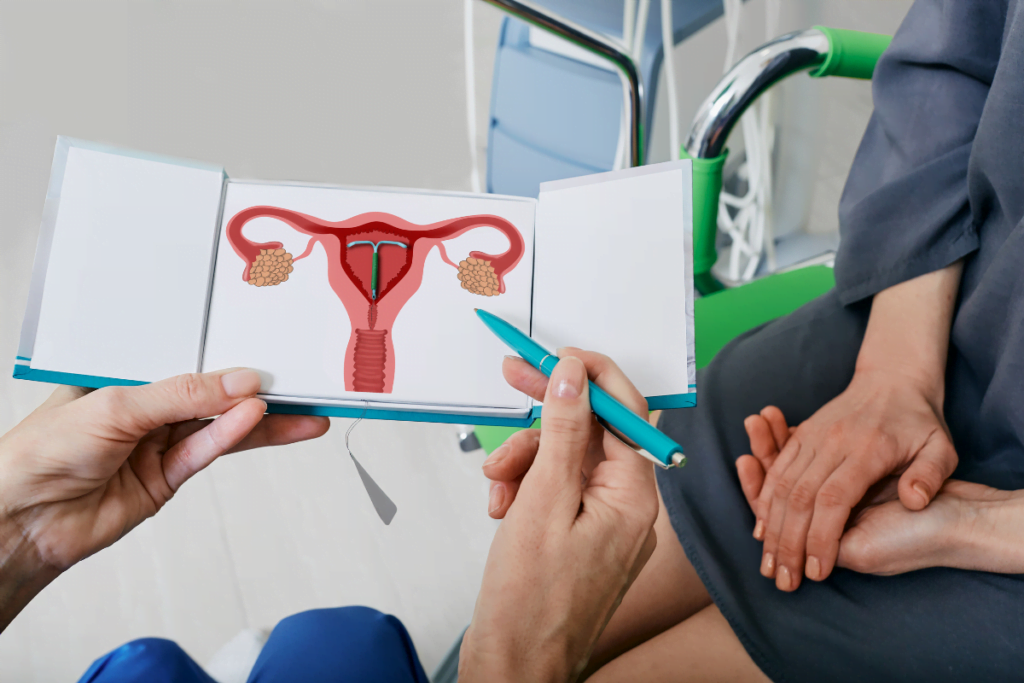
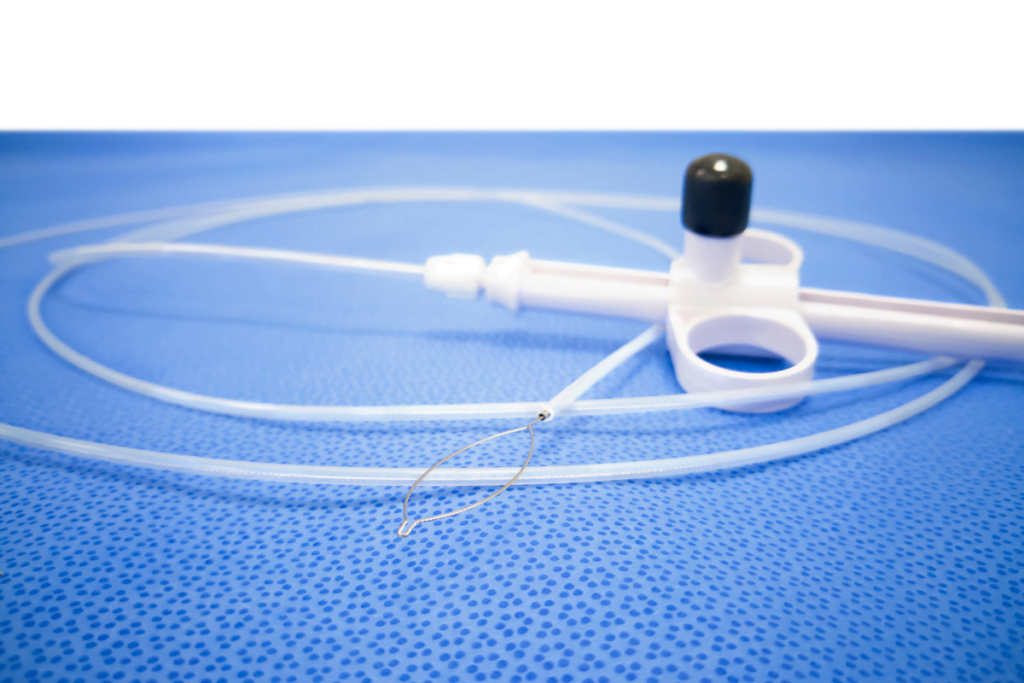
This is the stage patients anticipate the most. The good news is that it’s very straightforward, quick, and does not require sedation. Using ultrasound guidance, a soft catheter is passed through the cervix, and an embryo is placed in an ideal location in the uterine cavity. This entire procedure takes about 10 to 15 minutes. There may be mild, post-procedural cramping, but the majority of patients report that the procedure is much easier than they expected. I strongly advocate for a policy of single embryo transfer (SET), especially for patients under 38 years of age and especially those with good-grade blastocysts. The transfer of two embryos is aimed at increasing the likelihood of a successful pregnancy, but that will also increase the likelihood of multiple pregnancies (twins), which may result in significantly greater risks to the mother and the babies. The objective is always to have one healthy baby. Following the transfer, patients will need to continue with progesterone supplementation to assist with sustaining the uterine lining. A beta-HCG blood test is done to determine pregnancy status due to implantation 10-14 days after the embryo transfer. Regardless of whether these activities will yield a biological change, following IVF success tips, such as stress management, no heavy exercise, and eating healthy, will still help your overall well-being during the two-week wait.
For global IVF guidelines, see the World Health Organization.
For global IVF guidelines, see the World Health Organization.
Frequently Asked Questions
1. How long does a full IVF cycle take from start to finish?
Typical IVF cycles take about 4-6 weeks from the initial stimulation injections to the pregnancy test results; the cycle with a frozen embryo transfer takes about 2-4 weeks longer.
2. Is the egg retrieval procedure painful?
Most people do not feel a thing during the egg retrieval procedure because it is done with intravenous sedation. It is normal to experience slight pain and some spotting for up to 2 days after the procedure.
3. What happens to embryos that aren’t transferred?
Surplus embryos of good quality that are not transferred can be frozen and kept for future cycles of embryo transfer. Patients can also choose to donate their excess embryos to other couples or to research.
4. Does IVF always work on the first cycle?
It is not guaranteed. Average success rates range from 40 to 55% with transfers for women 35 and younger, and this rate of success continues to decrease with age. Many patients do conceive within 2-3 cycles, especially when there are frozen embryos from the first retrieval.
5. Can sperm quality affect outcomes of IVF?
Yes. Even sperm DNA damage, sperm movement, and the shape of the sperm can affect the rate of fertilization and the quality of the embryo. A comprehensive sperm analysis before the start of the cycle helps us determine the best fertilization technique.
Conclusion
Understanding the stages of IVF helps patients feel prepared and confident.
| Stage | What Is Done | How Long Does It Take |
| Stage 1 | Ovarian Stimulation | 8 to 14 Days |
| Stage 2 | Egg Retrieval | 20 to 30 Minutes |
| Stage 3 | Sperm Retrieval and Fertilization | On the same day as egg retrieval |
| Stage 4 | Embryo Culture | 3 to 6 Days |
| Stage 5 | Embryo Transfer | 10 to 15 Minutes |
Stage 1: Ovarian Stimulation – First of the 5 stages of IVF
Generally, your body produces one egg per cycle. For IVF to be effective, it is necessary to have more than one egg. The more eggs, the more embryos can be selected from, and the higher your overall odds are for a successful transfer.
I prescribe injectable hormones called gonadotropins (FSH-based medications) that stimulate the ovaries to develop multiple follicles at the same time. These medications are self-injected at home every 8 to 14 days.
- In addition, Agonists or Antagonists of GnRH are used to prevent premature ovulation. You will receive a transvaginal ultrasound and blood test for estradiol levels every 2–3 days.
- Once the leading follicles reach 16–20mm, a precisely timed trigger hCG shot is given to initiate the last maturation of the eggs. Egg retrieval is done 34 to 36 hours later.
- During stimulation, most patients experience mild bloating and fullness in the pelvis. This is a normal reaction. What we are watching more closely is the possibility of ovarian hyperstimulation syndrome (OHSS) in patients with higher ovarian reserves or PCOS.
Stage 2: Egg Retrieval
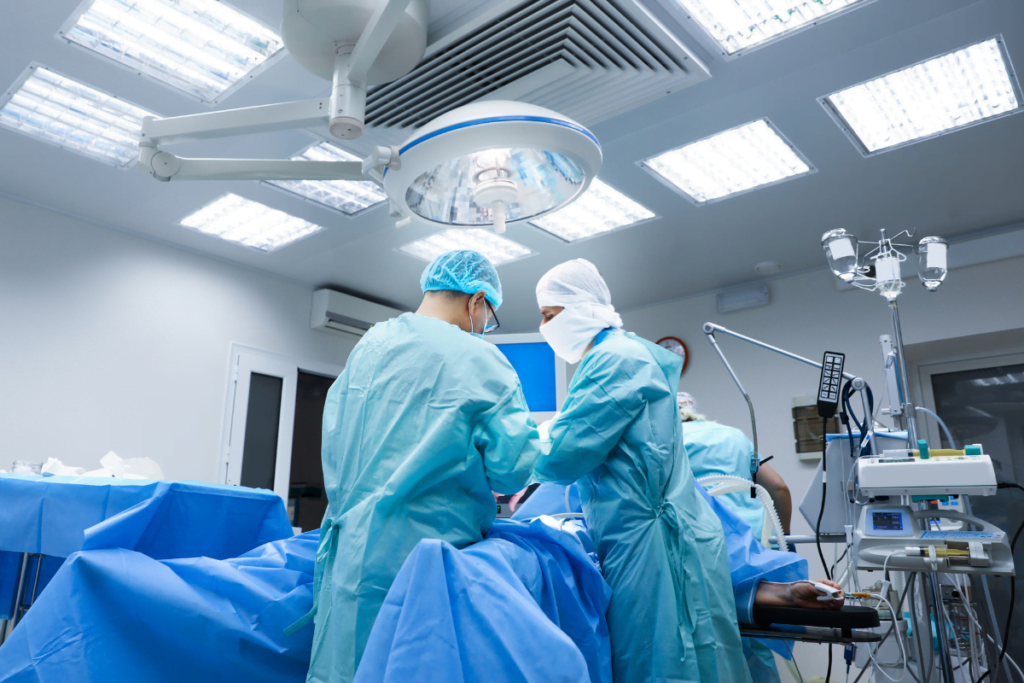
This is the procedure that makes patients the most nervous, but as I tell them, you will be under sedation, and you will feel nothing. With the help of a transvaginal ultrasound, a thin needle is inserted through the vaginal wall into each follicle, and the fluid along with the eggs is gently aspirated. The entire procedure will take about 20 to 30 minutes. The embryologists will examine the aspirated fluid, count and identify the mature eggs right after. It is normal to experience minor cramps and light spotting for 24 to 48 hours after the procedure. Most patients can go home the same day and resume their daily activities 48 hours after. We hope to collect 8 to 15 mature eggs per retrieval; this can depend significantly on their age and their ovarian reserve.
Stage 3: Sperm retrieval is a critical part of the stages of IVF
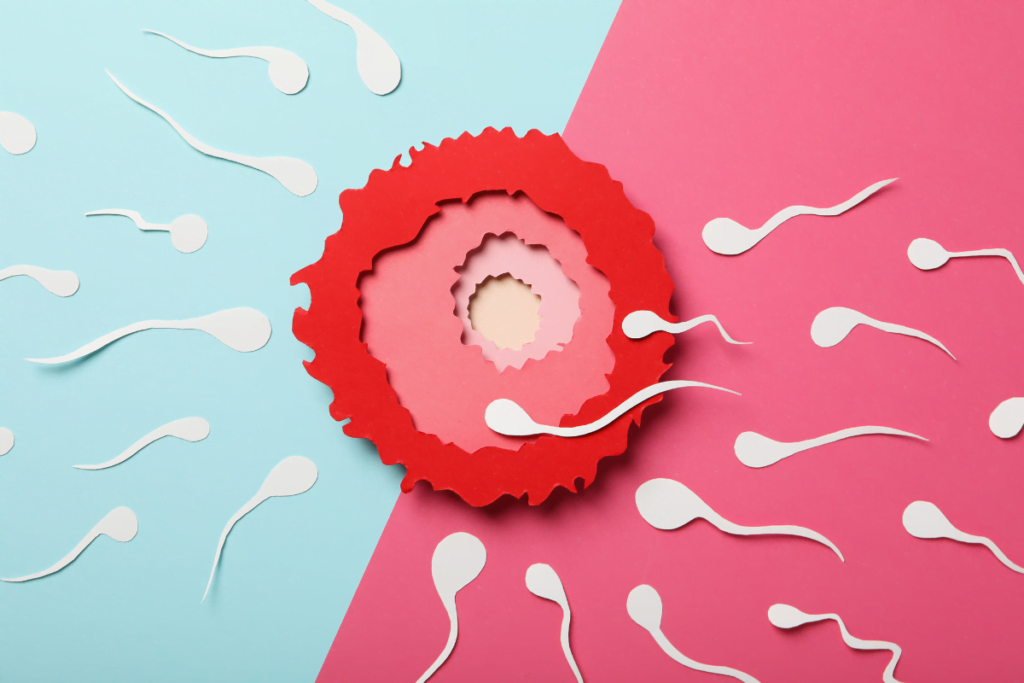
A semen sample from the male partner is also collected on the day of egg retrieval. If there are issues with sperm, such as low motility or a low sperm count, the sample is processed to isolate the best quality sperm. Men with very low sperm count or poor sperm quality may require a surgical procedure such as TESA or TESE. Having a plan to improve sperm morphology and count is useful, so I make decisions regarding sperm quality well before the sperm retrieval and sperm collection. There are two ways to fertilise the egg:
- Conventional IVF: Eggs and sperm are combined in a petri dish and left to fertilize on their own, which usually happens by the next morning. This is the best option for those with normal sperm parameters.
- ICSI (Intracytoplasmic Sperm Injection): A single sperm is injected directly into each mature egg. This procedure is used in cases of male factor infertility, previous fertilization failure, or in cases of using sperm obtained through surgical methods.
Fertilization is confirmed when two pronuclei appear in the successfully fertilized eggs, now called zygotes. This process occurs about 16 to 18 hours after the eggs have been fertilized.
Stage 4: Embryo Culture and Development
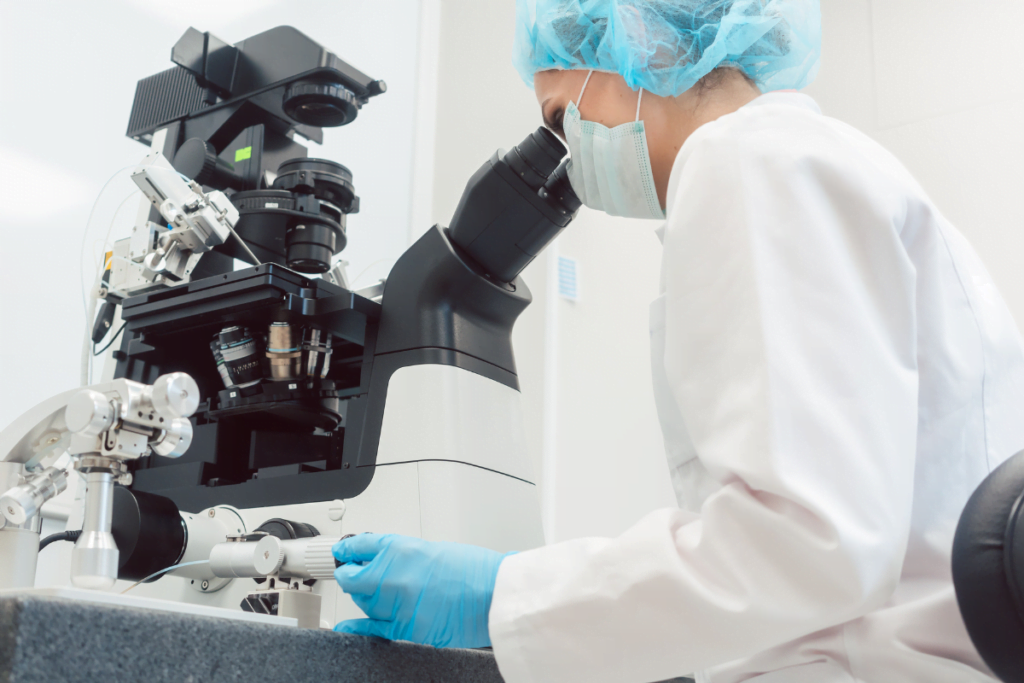
The fertilized eggs are then put into special incubators. Here, the temperature, pH, and gas concentrations are adjusted to mimic the fallopian tube environment. Over the next 3 to 6 days, the embryologists closely monitor the development of the embryos.
I always recommend extending culture to the Day 5 blastocyst where possible. Blastocysts have a higher implantation potential because only the developmentally competent embryos survive to this stage. It’s essentially natural selection happening inside the laboratory rather than inside the uterus.
- At Valley Fertility Centre, we also offer Preimplantation Genetic Testing (PGT) for patients with chromosomal abnormalities, particularly for recurrent miscarriage or advanced maternal age. Upon obtaining biopsies of the embryos, we freeze them and then transfer them in a later frozen cycle.
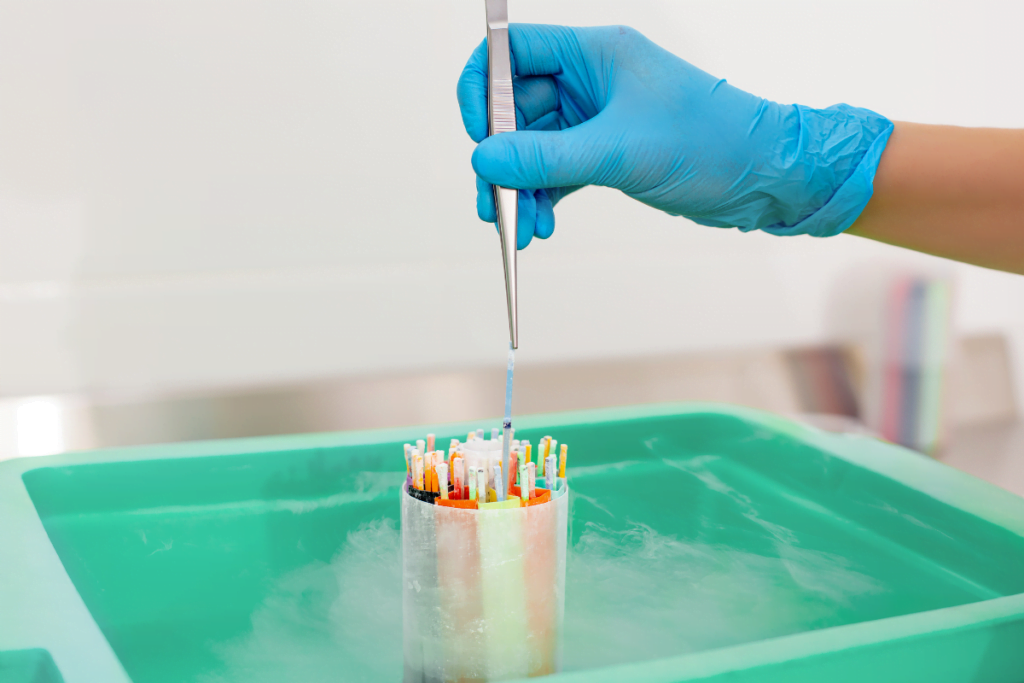
- Surplus high-quality embryos that are not transferred can be frozen for future use. This considers important aspects of fertility preservation, particularly for those couples wishing to grow their family in the coming years without going through the full stimulation process again.
| Day | Embryo Stage |
| Day 1 | Zygote (2 pronuclei confirmed) |
| Day 3 | 6 to 8 cells (cleavage stage) |
| Day 5 to 6 | Blastocyst (preferred transfer stage) |
Stage 5: Embryo Transfer
This is the stage patients anticipate the most. The good news is that it’s very straightforward, quick, and does not require sedation. Using ultrasound guidance, a soft catheter is passed through the cervix, and an embryo is placed in an ideal location in the uterine cavity. This entire procedure takes about 10 to 15 minutes. There may be mild, post-procedural cramping, but the majority of patients report that the procedure is much easier than they expected. I strongly advocate for a policy of single embryo transfer (SET), especially for patients under 38 years of age and especially those with good-grade blastocysts. The transfer of two embryos is aimed at increasing the likelihood of a successful pregnancy, but that will also increase the likelihood of multiple pregnancies (twins), which may result in significantly greater risks to the mother and the babies. The objective is always to have one healthy baby. Following the transfer, patients will need to continue with progesterone supplementation to assist with sustaining the uterine lining. A beta-HCG blood test is done to determine pregnancy status due to implantation 10-14 days after the embryo transfer. Regardless of whether these activities will yield a biological change, following IVF success tips, such as stress management, no heavy exercise, and eating healthy, will still help your overall well-being during the two-week wait.
For global IVF guidelines, see the World Health Organization.
For global IVF guidelines, see the World Health Organization.
Frequently Asked Questions
1. How long does a full IVF cycle take from start to finish?
Typical IVF cycles take about 4-6 weeks from the initial stimulation injections to the pregnancy test results; the cycle with a frozen embryo transfer takes about 2-4 weeks longer.
2. Is the egg retrieval procedure painful?
Most people do not feel a thing during the egg retrieval procedure because it is done with intravenous sedation. It is normal to experience slight pain and some spotting for up to 2 days after the procedure.
3. What happens to embryos that aren’t transferred?
Surplus embryos of good quality that are not transferred can be frozen and kept for future cycles of embryo transfer. Patients can also choose to donate their excess embryos to other couples or to research.
4. Does IVF always work on the first cycle?
It is not guaranteed. Average success rates range from 40 to 55% with transfers for women 35 and younger, and this rate of success continues to decrease with age. Many patients do conceive within 2-3 cycles, especially when there are frozen embryos from the first retrieval.
5. Can sperm quality affect outcomes of IVF?
Yes. Even sperm DNA damage, sperm movement, and the shape of the sperm can affect the rate of fertilization and the quality of the embryo. A comprehensive sperm analysis before the start of the cycle helps us determine the best fertilization technique.
Conclusion
Understanding the stages of IVF helps patients feel prepared and confident.