 Book Appointment

Introduction
A woman brings in an ultrasound report showing a Thickened Endometrium. She says, “My doctor said this was a problem, but didn’t explain it.” This is the kind of conversation I want to have with you.
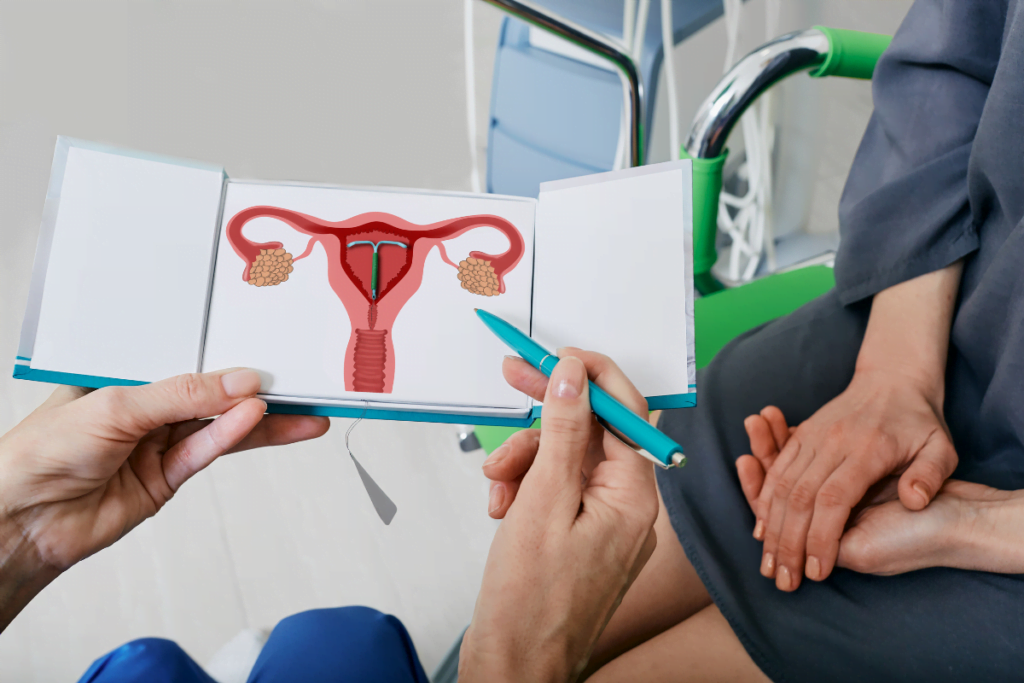
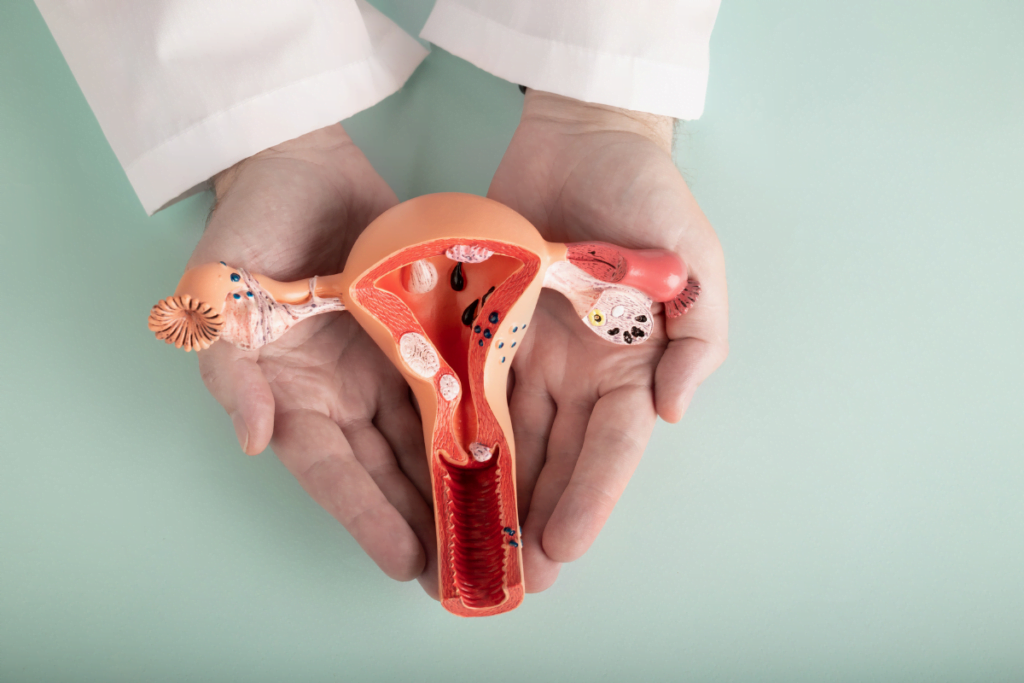
The endometrium is the soft tissue lining of the uterus. Each month, it builds up in response to estrogen and is shed during your period. The problem arises when it builds up too much and when it doesn’t shed. Women seeking infertility treatment in Srinagar should be concerned about this, as this lining is the place where an embryo is supposed to attach.
How Thick Is Too Thick?
The endometrial thickness varies throughout the month. Here are the ranges I use clinically:
| Cycle Phase | Normal Thickness |
| Menstruation (Day 1 to 5) | 2 to 4 mm |
| Early proliferative (Day 6 to 14) | 5 to 11 mm |
| Secretory phase (Days 15 to 28) | Up to 16 mm |
| Post-menopause | 4 to 5 mm maximum |
If you exist outside these ranges, it results in endometrial hyperplasia. The lining just keeps growing and doesn’t shed.
The Estrogen Problem at the Root of It
Almost every situation can be attributed to one hormonal problem; specifically, an overabundance of estrogen with insufficient opposing progesterone. Estrogen instructs the lining to proliferate. Progesterone, on the other hand, instructs the lining to cease proliferating and to get ready for an eventual shedding. In the absence of the second signal, the tissue continues to pile up.
The causes of Thickened Endometrium include hormonal imbalance, PCOS, and fibroids.
What usually causes it:
- Due to PCOS, women’s ovaries are stimulated to release eggs at highly irregular intervals, and as a result, women may go several weeks at a time without a progesterone surge.
- Excess body weight is attributed to fat cells producing estrogen, independent of the ovaries.
- During perimenopause, there are significant shifts in the levels of the main sex hormones, and, in women, often times, estrogen dominance occurs.
- Uterine polyps and fibroids cause uneven structural thickening, which can be seen on an ultrasound.
- Adenomyosis means that the endometrial tissue is implanted in the muscular layer of the uterus.
- Tamoxifen works as a breast cancer drug, and one of the known side effects is the promotion of the growth of endometrial tissue.
What Symptoms Should Prompt You to Seek Help
Most people I’ve seen have had the symptoms for a number of years and have just assumed that that’s how it is.
Examples include:
- A period that is heavier and/or longer than what is considered to be normal.
- Cycles that are unpredictable (short and long, difficult to differentiate).
- Spotting outside of your period.
- Feeling of fullness in the pelvic area, or low-grade pelvic pain (from non-period-related causes).
- Difficulty with conception and/or sustaining a pregnancy.
- Bleeding following the cessation of menstruation should be investigated immediately (i.e. do not monitor at home).
The reproductive aspect of all these is crucial. I often find that women who have repeated implantation failure in assisted reproductive technology suffer from endometrial issues that are often neglected. If all embryos are of good quality and repeated transfers are unsuccessful, endometrial issues are often the cause.
Obtaining a diagnosis
Ultrasound is the primary tool to measure Thickened Endometrium. After this step, the next steps include possible hormone blood tests, an endometrial biopsy to assess for atypical cellular changes, or hysteroscopy to directly visualize the uterine cavity.
Treatment Options
Progesterone therapy often helps women with Thickened Endometrium.
Most cases respond to progestogen therapy. Once the hormonal imbalance is corrected, the lining is able to shed and reset. This is confirmed through monitoring.
If the structural issue is polyps or fibroids, hysteroscopic resection is appropriate. It is minimally invasive and is done under sedation.
Hysterectomy is only relevant if atypical cells are confirmed and future pregnancy is not a consideration.
Weight management genuinely shifts outcomes. Women who reduce BMI often see significant endometrial improvement without medication deterioration. Combined with natural ways to improve uterine health, lifestyle adjustments do real work.
Our Approach to Endometrial Issues in Fertility Treatment
At Valley Fertility Centre, we treat the endometrium first, prior to assessing IVF. Ovarian stimulation and embryo transfer into a lining that is not receptive is a waste of both the,embryo and the cycle. For women with the same issue, our resource on bulky uterus treatment addresses the concerns that are commonly seen in conjunction with thickened endometrium.
For clinical guidelines, see the Indian Society for Assisted Reproduction.
WHO provides global reproductive health standards at the World Health Organization.
Frequently Asked Questions
Can a thickened endometrium stop me from getting pregnant?
It can. The thickening disrupts implantation and is associated with difficulty conceiving and increased risk of early miscarriage.
Does a thickened endometrium always mean cancer risk?
No. The majority of the time, cases are benign. However, atypical cells present on a biopsy are of concern in that treatment is required to prevent any progression.
Will I require surgery?
Probably not. Many women do well on progesterone therapy alone. Surgical intervention is reserved for structural issues and situations where medication isn’t effective.
Why is there more concern for post-menopausal thickening?
After menopause, there is no longer a normal hormonal context. Any endometrial thickening beyond 4 to 5mm is concerning and warrants investigation due to the higher risk profile for atypical changes.
Conclusion
At Valley Fertility Centre, we address Thickened Endometrium before IVF.