 Book Appointment

HIFU Treatment for Uterine Fibriods: A Non Surgical Approach and Its Impact on IVF Success in 2026
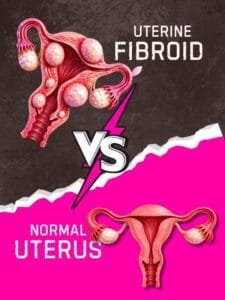
HIFU treatment for uterine fibroids is a non-surgical approach thatuses focused ultrasound energy to target selected fibriod tissue. For women planning preganancy or IVF, understanding the location, size and effects of a fibriod on the uterine cavity is important when deciding whether treatment is necessary.
Most women will have uterine fibroids by the time they reach 40 years of age and for many women, they will have no impact on their fertility. However, fibroids in specific areas, especially when they protrude into or deform the uterine cavity, are a known culprit to unexplained implantation failure and decreased IVF success rates. The traditional remedy for years has been surgical removal (myomectomy). For those planning to continue with their next cycle, it’s important to be aware of a newer, non-surgical option called targeted, or focused, ultrasound.
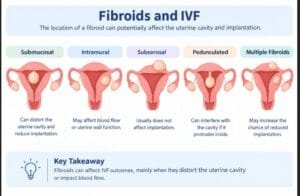
Fibroids can negatively affect IVF success in the following ways:
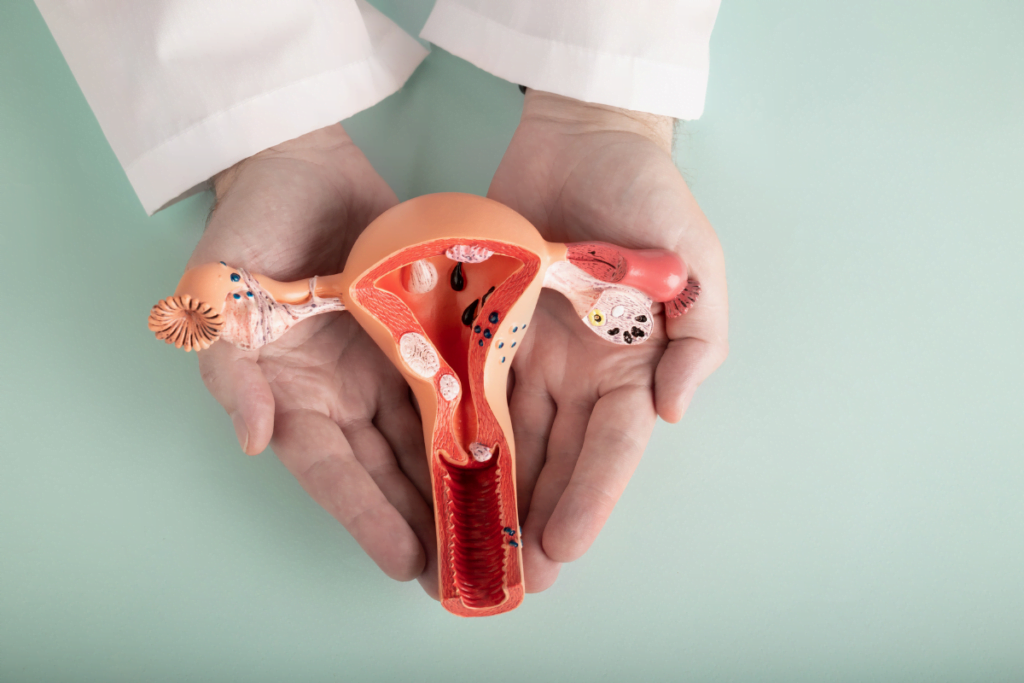
Some fibroids do not impact fertility. Subserosal fibroids, those that develop on the outside of the uterus, do not seem to affect IVF success. Submucosal fibroids – and the larger intramural fibroids that protrude into the cavity – are another story, however. They have been linked to reduced implantation rates and increased miscarriage risk. There are a number of theories that have been suggested, such as a distorted cavity shape, impaired blood supply to the endometrium, chronic low-grade inflammation and abnormal development of the uterine lining – all of which can make it more difficult for even a good quality embryo to implant.
What Is HIFU Treatment for Uterine Fibroids?
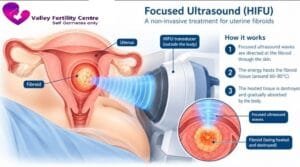
With focused ultrasound, the concentrated sound beams are precisely targeted to the fibroid and are used to destroy it from the outside (also often under MRI supervision; MRgFUS). No incision is made and the uterus is never entered and many women do not require general anaesthetic – only light sedation. It’s typically an outpatient procedure, with most people resuming normal activity within a day or two.
Myomectomy is effective but requires an incision in the uterine wall and may entail a period of several months to be able to conceive, with a plan to have a caesarean section at a later stage due to the scar. The advantage of focused ultrasound is that it never opens the uterus, which means that it does not traverse the scar at all. Successful pregnancies (including some IVF pregnancies) have been documented following the procedure and more recent long term follow up studies indicate that a majority of the pregnancies achieved were live.
Couples undergoing fertility treatment may benefit from a detailed IVF consultaiton to determine how uterine factors may affect their treatment plan.
Book your consultation with us
What the Evidence Actually Says
Full disclosure: focused ultrasound has been initially explored primarily for symptom relief (heavy bleeding, pain, bulk symptoms) in women who are not planning an immediate pregnancy and initial guidance of the device has been conservative with women wishing to conceive. Case series and follow-up studies of patients who did attempt to conceive have since shown good outcomes, including those born after IVF. This body of evidence is in its infancy, however, when compared to decades of data on myomectomy outcomes. This is not an excuse not to consider it, but a reason to talk with your fertility doctor about your individual fibroids and not a blanket endorsement or rejection.
Determine who is and isn’t a good candidate.
Candidacy is dependent on the fibroid itself – its location, size, number and ease of ultrasound beam penetration, depending on whether it passes over scar tissue and other structures. Not all fibroids respond and some may be more resistant or inaccessible to this technique. This is because imaging is always done before any treatment decision is made – it’s not for every fibroid and not for every patient.
There are two options to consider: focused ultrasound and myomectomy.
| Feature | HIFU | Myomectomy |
| Surgical incision | Generally No | Yes |
| Hospital Stay | Often Shorter | May be longer |
| Fibroid Treatment | Targeted | Physical removal |
| Fertility Considerations | Individual assessment required | Individual assessment required |
| Suitable for Everyone | No | No |
Surgical incision: HIFU does not require a conventional surgical incision, whereas myomectomy involves surgical removal of the fibroid through an approach selected according to the fibroid’s size, location and other clinical factors.
The recovery is a day or two, rather than several weeks.
None, versus scar restricting future pregnancy planning and delivery mode
Track Record of Fertility Patients – decades of surgical data, versus a smaller but growing body of evidence.
A detailed fertility screening can help indentify uterine and other factors that may affect fertility.
This is what this means for your IVF plan:
Having a fibroid that distorts the uterus from an initial scan or during a second workup of a previous cycle should not mean that you have to assume that myomectomy is your only option; it is important to discuss both non-surgical and surgical options with your fertility team before your next transfer. There is no one-size-fits-all solution; the best option will depend on the specific size and location of the fibroid.
Fibroids are one of the several factors that may need to be considered during an infertility evaluation.
FAQs
Can IVF success rate truly get reduced by Fibriods ?
Yes, for fibroids in some places (usually submucosal and intramural fibroids that are big enough to affect the shape of the uterus). Fibroids in other parts of the uterus generally do not affect.
Is ultrasound treatment painful?
Most patients do not find it uncomfortable with sedation and some pain relief, but without the long pain after surgery. The sensation of fibroids is dependent on their size and location.
When can one be able to get pregnant again?
This can differ from patient to patient and depends on imaging follow up, typically several months, depending on the response of the fibroid.
Is this the same as uterine artery embolization (UAE)?
No, both are non-surgical, and UAE’s catheter is used to compress the blood supply to the entire fibroid, whereas the focused ultrasound treatments heat the fibroid directly through the skin.