Table of Contents
Introduction
Every week, I have to try to give the most honest answers to every IVF question I get from hopeful and anxious couples. I know that most of my answers end up getting deflected and most lose hope and give up. I believe it is important to state that there are no good or bad answers, just rational and operational or irrational and dysfunctional answers. The hope is that rational actors have operational frameworks to maintain a good amount of hope to keep trying and keep circling back on IVF. The more rabid the hope, the more dysfunctional the system and the more deflected the answer, the more it appears to be deflected to and the more irrational the hope appears to be.
What Does IVF Treatment Involve? A Simple Definition
To get some answers, I would have to explain what IVF is. IVF means In- Vitro Fertilisation. IVF is several steps that have to be performed, and no steps in the process can be skipped. When done in a lab, outside of the body, it is called fertilisation and the Latin meanings for the two words give the name the process is called, In Vitro.
IVF started in 1978, and the first IVF baby to be born, 8,000,000 babies since, is Louise Brown. The first baby born through this process was Louise Brow, in 1978,and it started a ripple effect and spread around the world, and the number of babies born through IVF increased to over 8 million. For those seeking IVF treatment in Srinagar, in order to explain this process to you in simpler and basic terms would be too long or complicated and would involve too many steps or give too many explanations that would not be understood.
Who Could Benefit from IVF? Common Situations Leading to It
However, not every couple has to go through IVF. Some situations make it the most suitable option to consider next.
Some situations to consider IVF are:
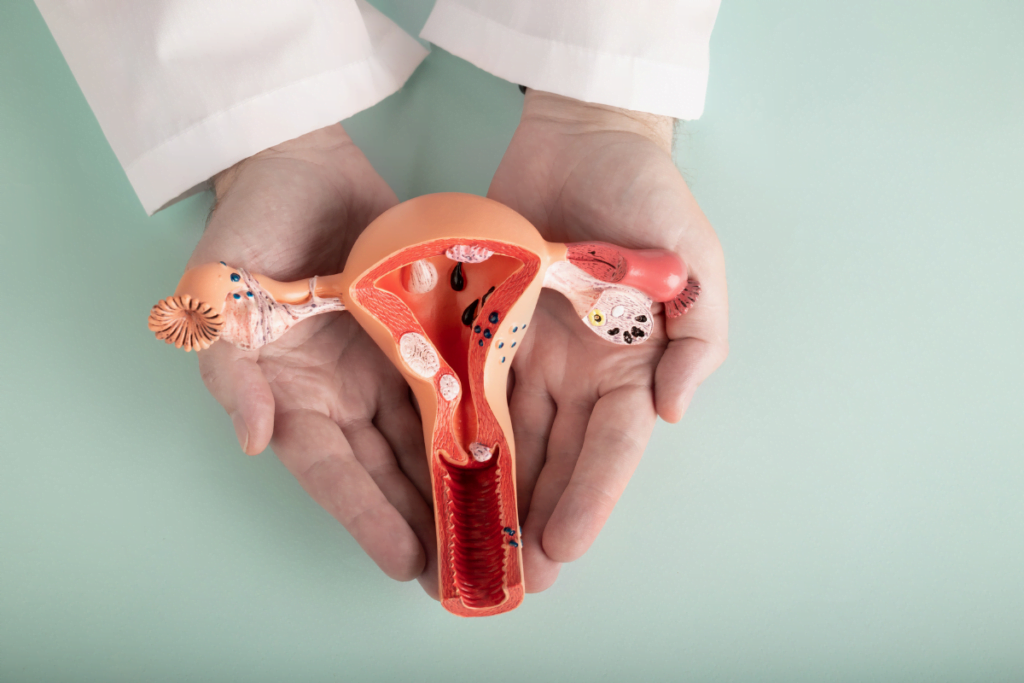
- Damage or blockage of the fallopian tubes: the egg and sperm cannot meet and travel naturally
- Endometriosis that interferes with the function of the egg and the tubes, etc.
- PCOS that does not respond to ovulation induction by medication
- Low reserve of ovarian
- Unexplained infertility in the absence of a 12-month trial of conception (6 months trial if the woman is over 35)
- Male infertility: low sperm count or poor motility
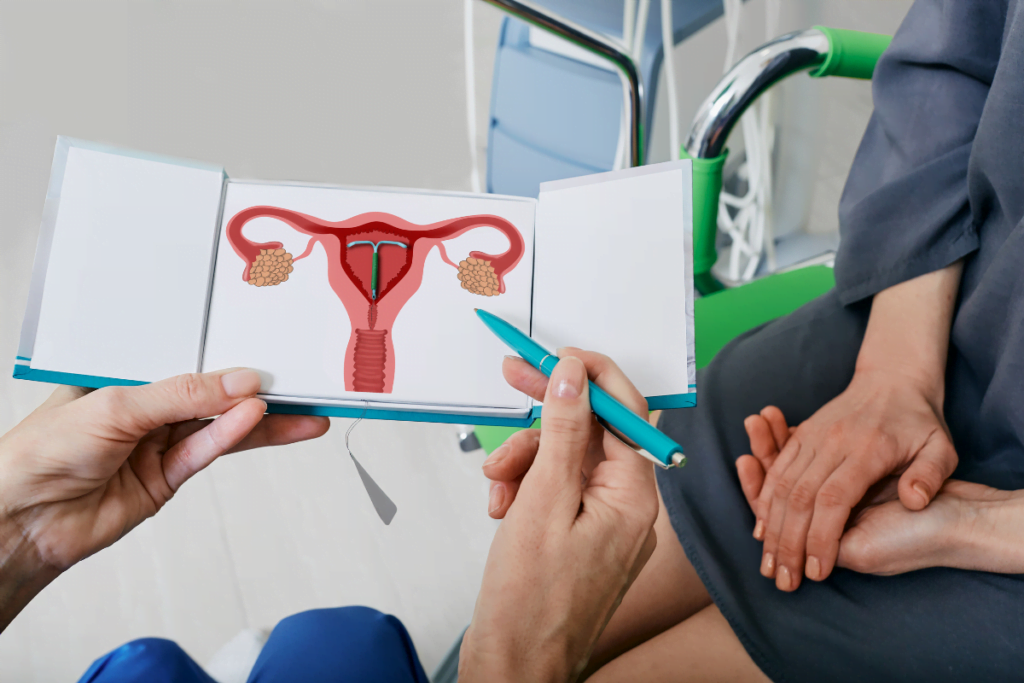
- Concerns involving the uterus, such as fibroids
For couples in whom male infertility is a problem, addressing the issues of sperm morphology and count prior to the commencement of treatment is likely to improve the rates of fertilisation.
The 6 Essential Steps of an IVF Cycle
I guide every patient through these steps prior to commencing the cycle. Knowing what to expect helps ease a lot of anxiety.
Step 1: Preparation and Testing Prior to Treatment
As a first step, both partners should be prepared to undergo and complete a comprehensive workup. It will include a series of hormonal blood tests such as FSH, LH, AMH and estradiol as well as an antral follicle count ultrasound, evaluation of the uterine cavity and semen analysis. Your medication protocol will be purposefully designed based on these results and not a random or generic template.
Step 2: Ovarian Stimulation (10 to 14 Days)
The ovaries are stimulated using daily injections of developing hormones to allow multiple follicles to develop. Every 2-3 days, you will be monitored using blood work and ultrasounds to assess your response to stimulation. Once the follicles are large enough to retrieve, you will be given a trigger shot to complete the maturation of the eggs 36 hours before retrieval.
Step 3: Egg Retrieval
The retrieval of eggs from follicles is a 20-30 minute ultrasound-guided procedure that is done through the vaginal wall. Most patients experience little discomfort and are able to go home the same day of the procedure.
Step 4: In Vitro Fertilization
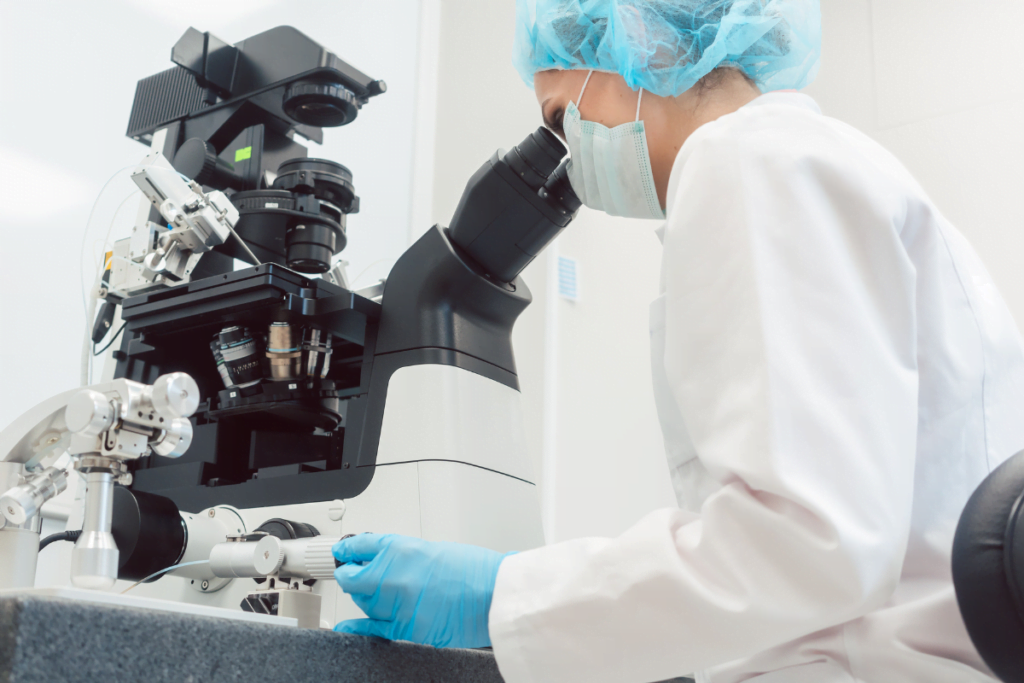
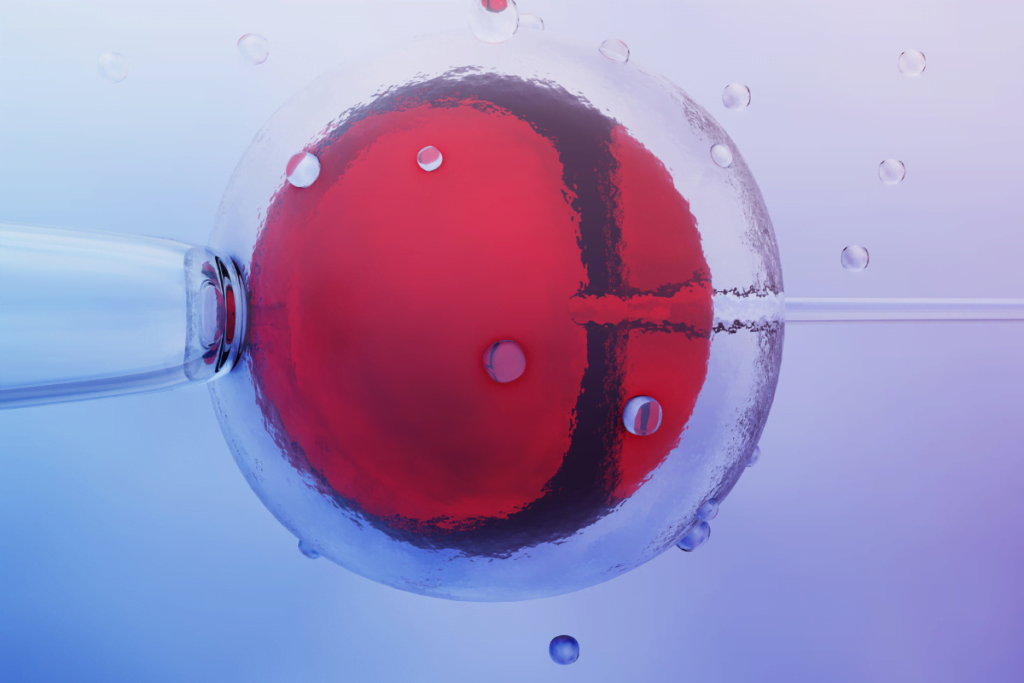
In the lab, fertilization occurs when the eggs and sperm are combined. Generally, the eggs are placed in a culture dish with sperm. However, when the quality of the sperm is in question, a single sperm is injected into each egg, a process called Intracytoplasmic Sperm Injection (ICSI). Fertilization of 70-80% of eggs occurs in ICSI with a mature egg.
Step 5: Embryo Culturing
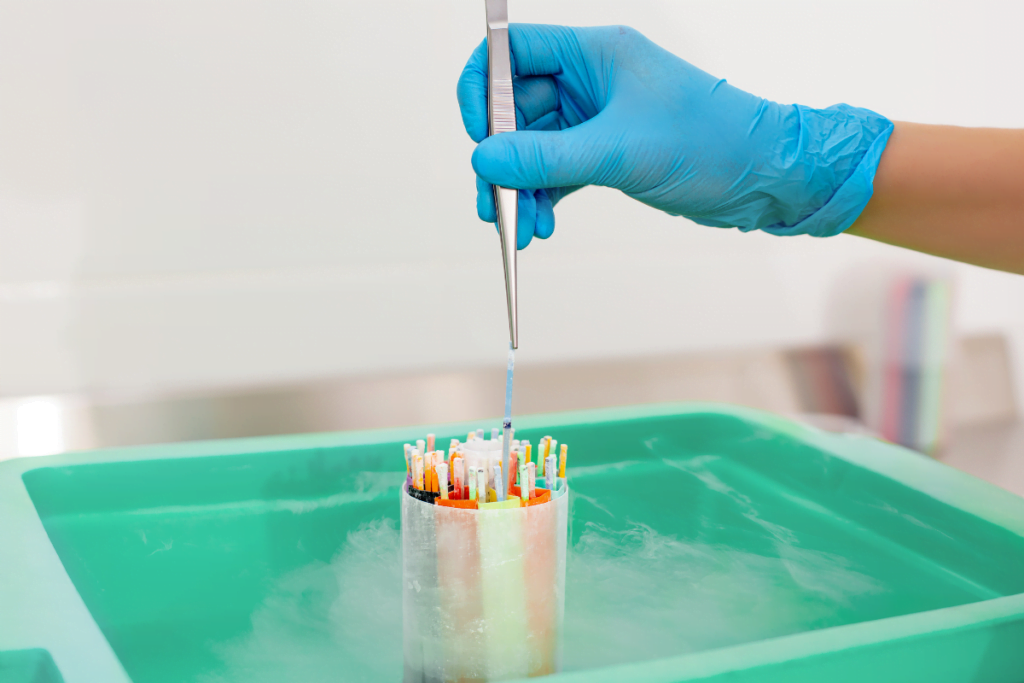
For 3 to 6 days, the fertilized eggs will be cultured. The embryos that are of the highest quality on day 5 will be in the blastocyst stage. Approximately 50% of embryos are in the blastocyst stage at day 5. The embryos that are of good quality will be frozen so they can be used in future cycles.
Step 6: Transfer of Embryos
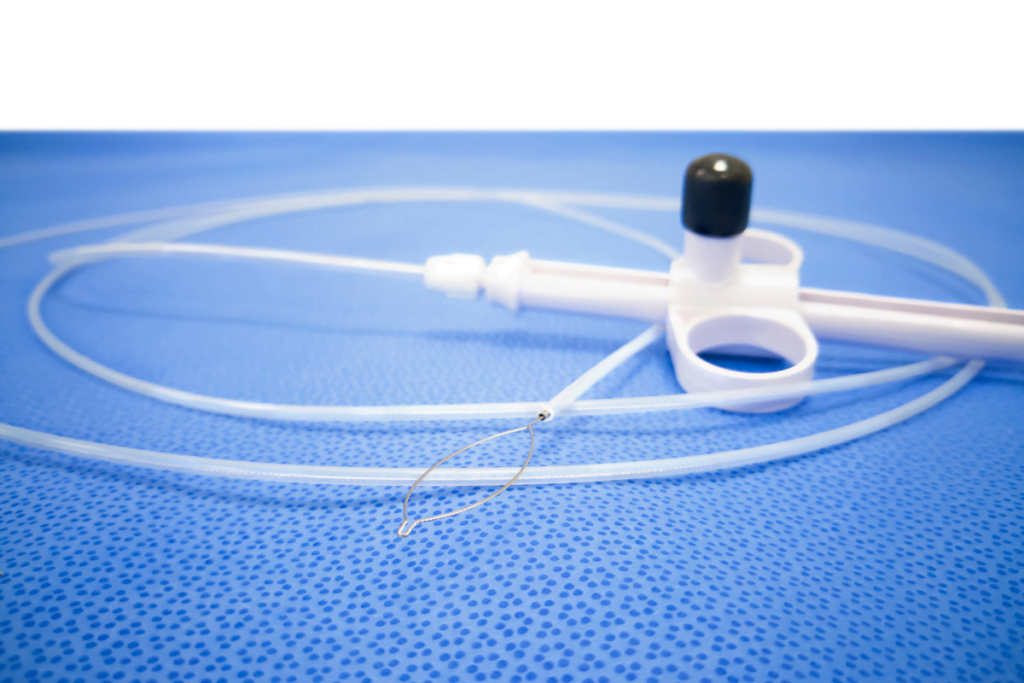
Using an ultrasound, a thin catheter is used to guide him to the uterus, where he will be implanted through the cervix. Anaesthesia is not required. The procedure will be completed in under 15 minutes, and the sensation will be of a typical pelvic exam. A blood pregnancy test is done 9 to 14 days after the procedure.
IVF Success Rates by Age: Interpreting the Data
When it comes to the outcomes of in vitro fertilization (IVF) treatment, age is the most significant factor. Here, we show approximate live birth rates per cycle, averaged from global clinical results:
Live Birth Rates by Age
| Age Range | Live Birth Rates Per Cycle |
| Under 35 | 40 to 50% |
| 35 to 37 | 30 to 40% |
| 38 to 40 | 20 to 25% |
| 41 to 42 | 10 to 15% |
| 43 and above | 3 to 8% |
These averages do not accurately reflect each individual’s prognosis, which depends on a variety of factors, including the identified diagnosis, the quality of eggs, the uterus, the embryos and the laboratory quality. Success rates are largely cumulative across two to three cycles, meaning that the average rates across cycles are significantly higher than the aforementioned averages.
At Valley Fertility Centre, we are proud to have a 50% or greater success rate for women under 35, which is a testament to our stimulation protocols as well as the standards of our embryology lab.
Potential Risks and Side Effects
Risks of IVF treatment are sometimes medically justified. Side effects are reasonably expected from the treatment and include the following:
Some of the expected effects of the stimulation phase include:
- Abdominal bloating and discomfort
- Emotional mood changes are common and are due to the hormonal changes the body is undergoing
- Potential bruising at the injection site
Some effects to expect after the egg retrieval are:
- Mild cramping and spotting are usually present within the first 2 days of the egg retrieval
Less frequently expected effects of the treatment include:
- Ovarian Hyperstimulation Syndrome (OHSS): The ovaries can become swollen and may be painful. The swelling can be severe enough to cause PCOS.
- Multiple pregnancies (the more than 1 embryo transfer, the greater the risk)
- Emotional strain after the cycle
Practical Steps to Prepare for IVF
There is no doubt that the patience of most of the patients I have seen who take the time to prepare, respond better to stimulation, and psychologically recover more rapidly when an IVF cycle does not result in success.
- Begin taking folic acid (400 to 800 mcg daily) no less than 3 months prior to transfer
- Achieve and maintain a healthy BMI
- Quit smoking prior to commencing any cycle
- Reduce caffeine consumption to below 200 mg daily
- Refrain from alcohol during stimulation and the two-week wait
- Review thyroid function, vitamin D status, and other chronic issues with your healthcare provider
Knowledge regarding your AMH levels and fertility prior to commencing IVF is important, as it enables your Specialist to configure the most appropriate stimulation protocol tailored to your ovarian reserve.
Frequently Asked Questions
1. How long does one IVF cycle take?
A complete cycle from stimulation commencement to pregnancy test is about 4 to 6 weeks. Cycles involving the transfer of frozen embryos may require additional preparatory time.
2. Is IVF treatment painful?
Injections may sting a little, but egg retrieval is performed with sedation, which means patients experience pressure but no pain. The embryo transfer procedure is almost completely pain-free.
3. How many IVF cycles are usually needed?
A large majority of successful pregnancies happen in a span of one to three cycles. Across three cycles, individual success rates can reach 50 to 70% based on age and diagnosis.
4. What are some possible reasons for the failure of an IVF cycle?
IVF cycles can fail for numerous reasons, such as poor quality of eggs, chromosomal deviations present within the embryo, failure of the fertilisation process or problems relating to the implantation process in the uterus (which may be related to uterine receptivity). The failure of an IVF cycle can be diagnostic to help guide the next steps in the process.
5. What is the cost for IVF in India?
The cost of a complete IVF cycle in India ranges between ₹ 1 lakh and ₹ 2.5 lakh, depending on the clinic, protocols to be followed, and medications to be taken.

Infertility Specialist
Obstetrics and gynaecology doctor with Specialization in IVF.