 Book Appointment

Introduction
The embryo has been transferred. You are ready after the stimulation cycle, the egg retrieval, the fertilization, and also after five days, when you anxiously wait for embryo news. And now, you are probably at home wondering, ” What am I supposed to do now?
That question has been asked dozens of times in my post-transfer consultations. Many of the couples undergoing IVF in Srinagar are on their way to investing their time, emotion, and energy in the procedure and want to make sure they do everything in the ‘critical days’ immediately after, so what will I tell you what matters, and what does not.
What could be going on in your body at the time of the transfer?
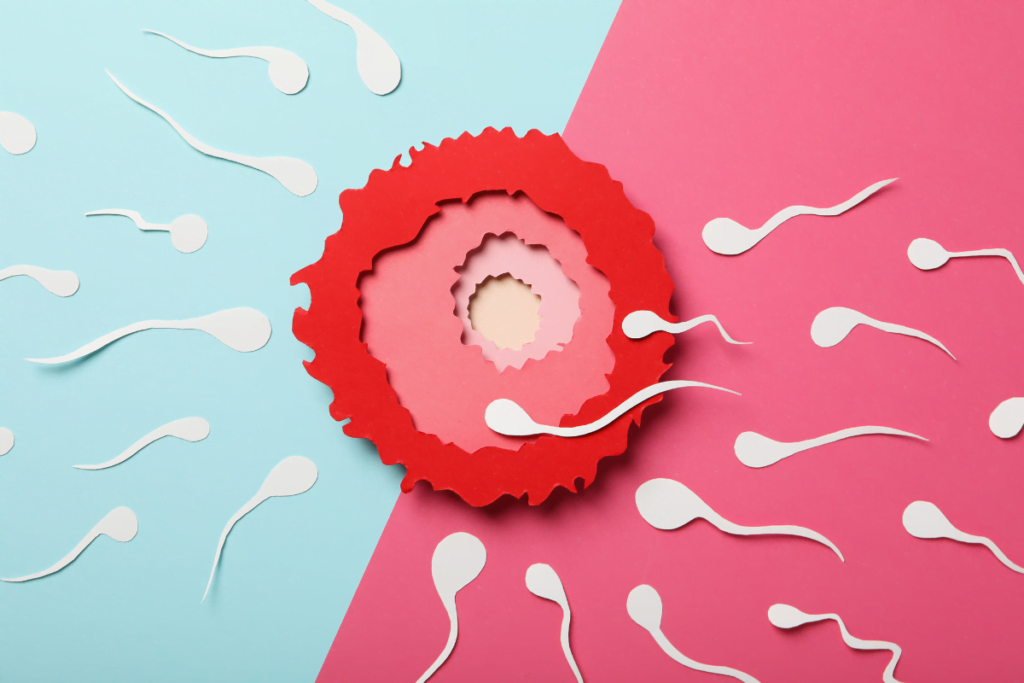
Following the transfer, the embryo needs to shed its outer shell (hatch), establish (make contact) and release (burrow in) to the uterine lining. This is referred to as the implantation process, which can happen between 6 and 10 days post-embryo transfer.
It isn’t so much about what actions you take. It’s more about creating the optimal environment and then stepping aside.
Rest As Needed, Not As A Rule
Myths are in abundance when it comes to post-transfer care. An example is the constant belief that after an embryo transfer, patients must have strict bed rest, which is not the case. Empirical evidence proves that an embryo does not just loosen and drop during laying position, for activities like walking to the kitchen, which is the case for post-operative conditions like walking to the kitchen for activities like position, for example.
After the transfer, take 2 to 3 days off and avoid doing anything mental or physically straining. Do not go to the gym, and do not do any heavy lifting or strenuous activities. However, you can do some short, light walks. These can be good for you because they improve blood circulation to the uterus, and they can help to clear your mind.
Your Medications Must Be Taken as Prescribed
It’s important to take your estrogen and progesterone support medications as prescribed because they help to keep the uterine lining that the embryo will be trying to attach to. If you don’t take your medications as prescribed, this can lead to hormonal dips at the worst times.
This is the most important factor that is in your control during the post-transfer period.
Set reminders on your phone or keep your medications in a visible place. You can control this factor better than all the others.
You Don’t Need to Overthink This
There are no special diets that are needed after your transfer. You will, however, need to manage what you are eating. Include some whole grains, vegetables, some lean proteins, healthy fats, and foods that are high in folate. Some foods that are high in folate are dal and leafy greens.
No alcohol, a limited amount of caffeine (<200 mg), and no raw or undercooked meat or eggs. This is important because your immune system is a bit more vulnerable due to some undercooked meat or eggs. Thus, increasing your vulnerability to foodborne illnesses. This is all covered in our Food that can cause a miscarriage guide.
Your Immune System is Compromised, so Be Careful
Take hot baths or saunas or anything that will raise your temperature, which doesn’t help with your implantation. That can be warm showers. So don’t do anything that will help you feel overheated.
Managing the Two-Week Wait
Everyone struggles with waiting the most. You need to manage your expectations to the best of your abilities. Your body will not be recovering that much from the surgery, but the waiting is going to be huge.
Checking symptoms every hour, comparing yourself to posts on the forum, and testing on day four, none of these things helps. At Valley Fertility Centre, we remind patients that symptoms such as breast tenderness, bloating, and cramping, as well as other side effects, are driven by the progesterone medications, not by whether or not implantation has occurred.
Some spotting after transfer is also common and is not an indication of failure. Knowing the difference between implantation bleeding and a period helps put this in perspective.
Stay connected to supportive people. Take walks. Do things that pull your attention away from the wait.
What to Avoid Completely
| Avoid | Reason |
| Hot baths and saunas | Raise core body temperature |
| Strenuous exercise | Physical stress on the body |
| Alcohol | Disrupts the implantation environment |
| Caffeine above 200mg daily | Linked to reduced conception rates |
| Early home pregnancy tests | Trigger shot causes false readings |
| Missing progesterone doses | Destabilises the uterine lining |
When to Call Your Clinic
Contact your clinic immediately if you experience heavy bleeding, severe pelvic pain, fever above 38 degrees, or significant abdominal swelling with reduced urination.
Frequently Asked Questions
Does bed rest after embryo transfer improve success rates?
No, total bed rest is shown to improve the success rates of embryo transfers. Light activity, maybe including walking, is thought to promote beneficial circulation within your uterus.
When can I take a pregnancy test after embryo transfer?
You should wait until your clinic performs a blood hCG test. This is done between 10 and 14 days after transfer. Any home pregnancy tests performed before this will give unreliable results due to the trigger shot.
Is cramping normal after embryo transfer?
Typically, cramping is common after the transfer and will likely subside on its own. Additionally, this can be a result of the progesterone suppositories and typically is not representative of a negative outcome.
Can I have intercourse after embryo transfer?
During the two-week waiting period, many clinics recommend that you do not engage in sexual intercourse, as it is thought that uterine contractions could compromise the implantation of the embryo.